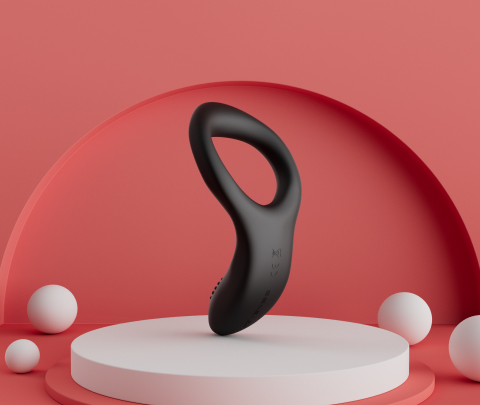
App-controlled sex toys are one of the fastest-growing segments of the sexual wellness market. They’re also one of the most overpromised. This guide evaluates the technology behind the category — what works, what doesn’t, and what to expect before buying.
How App-Controlled Toys Work
Most app-controlled toys use Bluetooth Low Energy (BLE), the same protocol as wireless headphones, fitness trackers, and smart home devices. The toy pairs with your smartphone, and the app sends control signals via Bluetooth.
Some toys add a secondary layer for long-distance use:
- WiFi relay: The toy connects to the internet through your phone’s data connection, allowing control from any distance
- Cloud server: Some brands run proprietary servers that relay commands between two users globally
Understanding this distinction matters because “app-controlled” can mean local Bluetooth control only, or genuinely unlimited-distance control. Not all products are clear about which they offer.
Bluetooth Range: The Reality
Manufacturers typically claim Bluetooth ranges of 10–30 feet. In practice:
Factors that reduce range:
- Human bodies (water absorbs radio frequencies)
- Walls and furniture
- Other wireless devices causing interference
- The specific BLE chip and antenna design
Realistic ranges:
- Same room, no obstacles: 20–30 feet reliably
- Through one wall: 10–20 feet
- Through multiple walls: Unreliable
For local use — a couple in the same home, or the same room — range is rarely a real issue. For public play (a toy controlled by a partner at a restaurant, for example), staying within Bluetooth range means being in the same building.
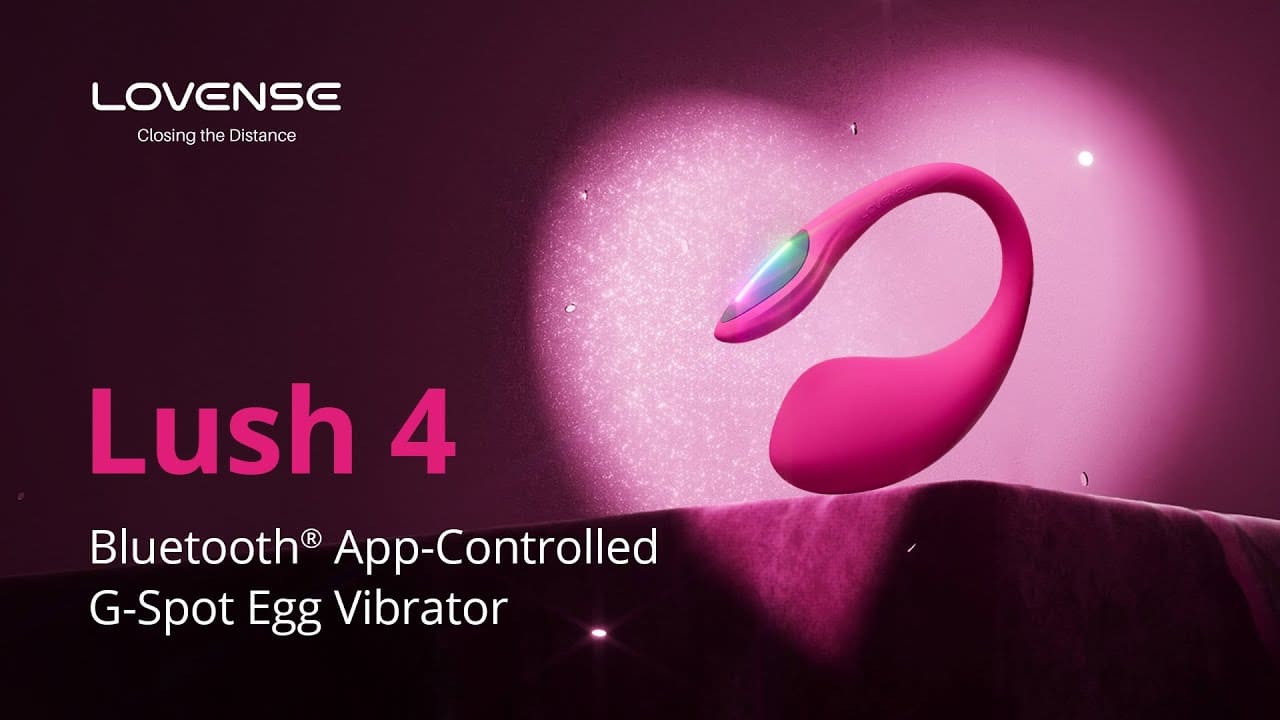
Long-distance alternative: Apps that route through the internet eliminate the range problem entirely. The Lovense app, for example, maintains connection regardless of physical distance, with the only limitation being internet latency.
App Quality: What to Evaluate
The hardware in app-controlled toys is only half the equation. The app determines how much of that hardware’s capability you can actually access. We evaluate apps on:
Connection Reliability
How often does the app drop connection? Does it reconnect automatically? Is the connection stable during use?
Best in class: Lovense. Their Bluetooth implementation is notably stable. We’ve tested dozens of sessions without a dropped connection.
Problem brands: Some Chinese manufacturers ship toys with apps that drop connection every few minutes. This is a hardware/firmware issue as much as a software one.
Latency
The delay between a control input in the app and the toy’s response. High latency (>500ms) makes real-time control feel disconnected and kills the experience for partner use.
What’s acceptable: <200ms for local Bluetooth. <500ms for internet-relayed long-distance.
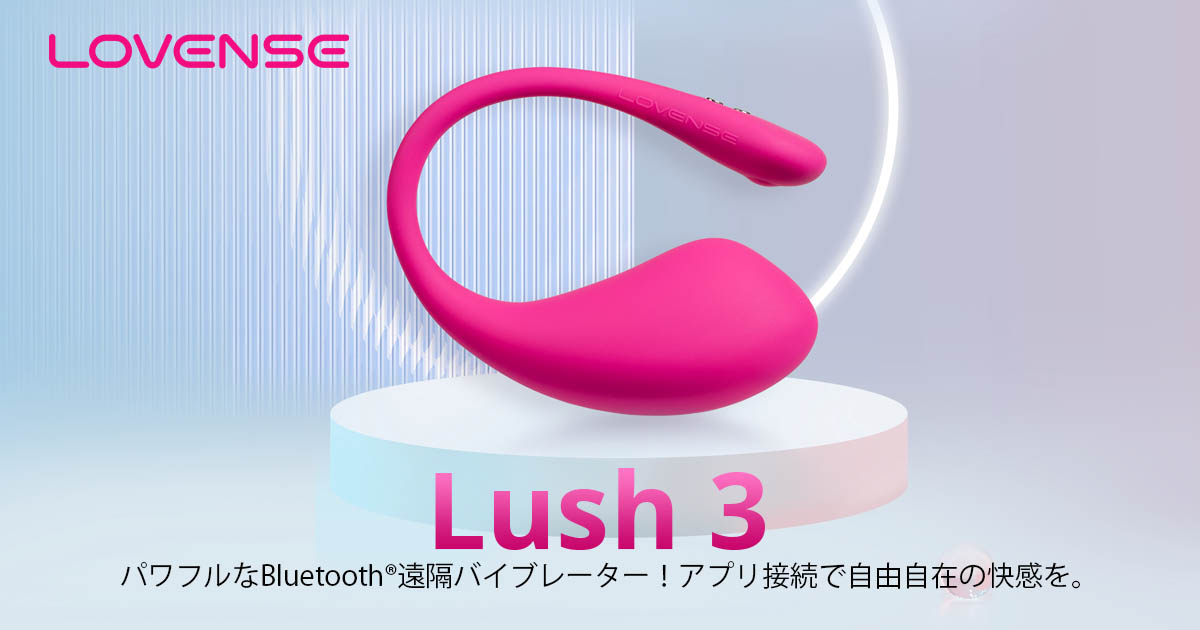
What we observe: Lovense Lush 3 averages ~80ms local, ~200ms over internet (varies by connection quality). Some competing brands average 400–600ms locally.
Interface Design
Is the app easy to use? Can you quickly change intensity without navigating multiple screens?
Key features to look for:
- Intensity slider with haptic feedback
- Pattern library with preview
- Lock screen controls (critical for hands-free use)
- Multiple device support (for couples with multiple toys)
Long-Distance Features
For couples in different locations, quality apps offer:
- Video call integration (in-app or compatible with third-party apps)
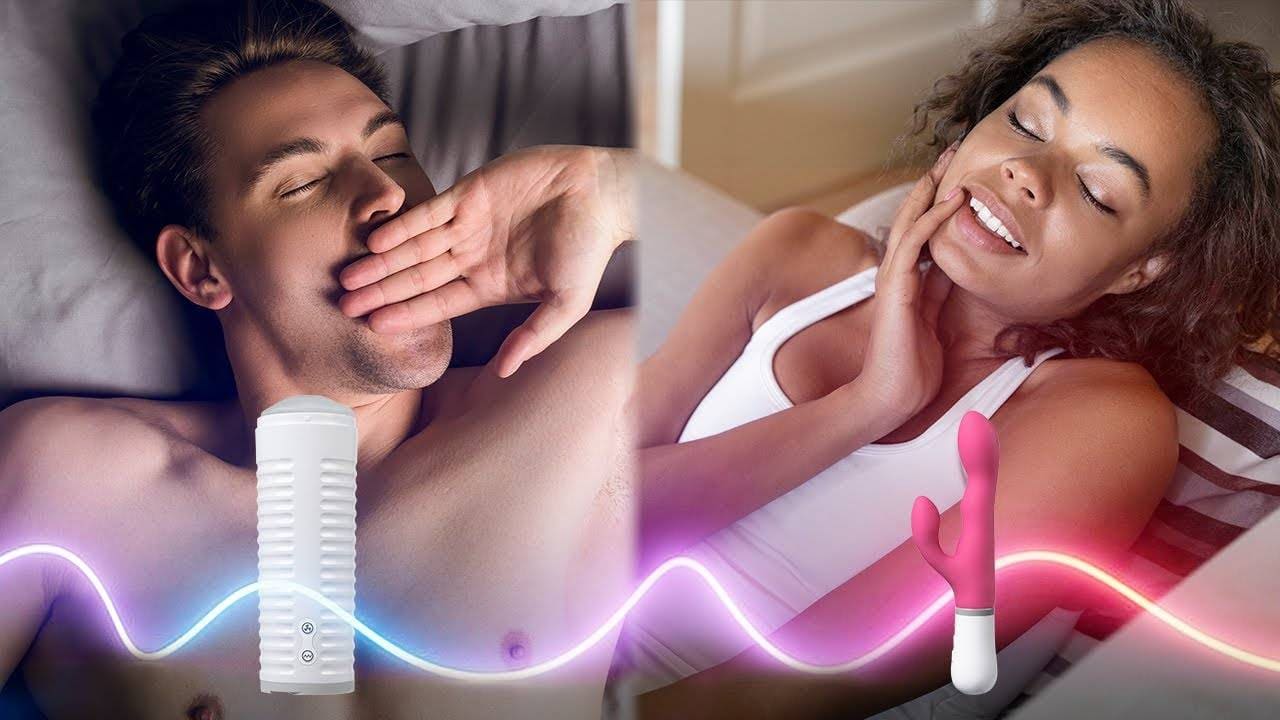
- Sound activation — the toy responds to ambient sound, including voice
- Sync to music — vibration patterns follow song rhythm
- Custom pattern creation — build and save your own vibration patterns
The Major App Ecosystems
Lovense
The most technically mature platform in the category. The Lovense Remote app offers:
- Stable Bluetooth and internet connectivity
- Custom vibration pattern editor
- Music sync
- Sound activation
- Sync with compatible content from adult platforms
- Multi-device control (control multiple toys simultaneously)
- Partner control with no distance limitation
- Android and iOS support
Privacy note: Lovense had a data controversy in 2017 when it was discovered their app was logging session data. They addressed this, but it established them in the public consciousness. Current versions have been independently audited.
We-Vibe (owned by Standard Innovation)
The We-Connect app is polished and well-designed. Highlights:
- Clean, intuitive interface
- Excellent couples features (shared control UI)
- Good long-distance performance
- Regular updates
- Limited music sync compared to Lovense
Lelo (via their app)
Lelo’s app ecosystem is less consistent. Some products integrate well; others feel like afterthoughts. The Lelo app is notably less stable than Lovense or We-Vibe apps in our testing.
Satisfyer (via Satisfyer app)
Satisfyer’s app works but is less feature-rich than Lovense. Basic remote control and patterns, no music sync, adequate stability.
Long-Distance Use: A Realistic Assessment
Long-distance control is the marquee feature for couples in different locations. It genuinely works — but it requires:
Technical requirements:
- Both partners with smartphones on iOS 10+ or Android 6+
- Reliable internet connection (3G minimum; 4G/WiFi preferred)
- The relevant app installed on both phones
- An account on the brand’s platform (which means accepting privacy terms)
Latency over distance:
- Same city, good connections: 100–300ms
- International, good connections: 200–500ms
- International, poor connections: 500ms–2 seconds
At 500ms, latency becomes noticeable but not prohibitive. Above 1 second, real-time control feels laggy. This is the most common complaint in long-distance scenarios with unstable connections.
Privacy considerations: Long-distance control requires the toy manufacturer’s server to relay commands. This means the manufacturer technically has visibility into usage patterns. Review the privacy policies of any app you use for long-distance features.
Security Considerations
App-controlled sex toys have a documented history of security vulnerabilities. The most common:
Bluetooth interception: Standard BLE doesn’t encrypt its communications by default. In theory, someone near enough to receive your toy’s Bluetooth signal could intercept commands. In practice, this requires specialized hardware and proximity — a real but low-probability threat.
App data collection: Several manufacturers have been found collecting usage data (timestamps, session durations, intensity patterns) without adequate disclosure. Read privacy policies, particularly for long-distance features that require server-side processing.
What to look for:
- Apps that work offline for local control (better privacy posture)
- Clear data collection disclosures
- Option to use without account creation (some brands require accounts; others don’t)
Lovense requires an account for long-distance features but allows local control without account sign-in. We-Vibe requires an account for app use.
Recommendations by Use Case
Best for Long-Distance Couples
Lovense Lush 3 — The internet-based connectivity, stable app, and strong community of users make this the category standard for long-distance use. The wearable form factor adds a dimension of discretion.
Best App for Overall Quality
We-Vibe Chorus — The We-Connect app is the most polished interface in the category. The Chorus itself is also the best couples toy we’ve tested.
Best Entry-Level App Toy
Lovense Ferri — $99, compact, reliable app, full long-distance functionality. The most accessible entry point into the Lovense ecosystem.
Best for Music Sync
Lovense (any model) — Music sync is a Lovense specialty. No other manufacturer has implemented it as well.
What to Check Before Buying
- Does the app work for local Bluetooth without an account? (If privacy is a concern)
- Does the toy support long-distance control, or only local? (Read the fine print)
- Is the app on both iOS and Android? (Some manufacturers have Android-lagging updates)
- When was the app last updated? (Check the App Store/Google Play — abandoned apps are a risk)
- What do user reviews say about connection stability? (This is where real-world performance shows up)
App-controlled toys represent a genuine improvement in functionality over manual toys for many use cases. They’re also a category where marketing significantly outpaces reality on certain products. Use this guide to evaluate what actually matters, and check our reviews for hands-on assessments of specific models.